Quitting caffeine while trying to conceive: what the guidelines actually say, and how to taper without a headache
The advice to 'cut back on caffeine' while trying to conceive is everywhere, and rarely comes with a number. Here's what ACOG, ASRM and MotherToBaby actually say — for you and for a partner with sperm in the picture — plus a taper that skips the withdrawal headache.

Almost every trying-to-conceive checklist tells you to “cut back on caffeine.” Almost none of them tell you to how much, by when, or whether it applies to a partner too. We went and read the actual guidance — ACOG-adjacent, ASRM’s own patient materials, and the fertility-clinic pages that get more specific than either — and pulled it into one place, with the numbers attached.
The short answer
Moderate caffeine — roughly 1 to 2 cups of coffee a day, under 200mg — has not been shown to make conception harder, according to both ASRM’s patient-facing fertility guidance and MotherToBaby’s caffeine fact sheet. Above that, the evidence gets murkier rather than more alarming: research linking higher intake (over 300mg/day) to reduced fertility exists, but every source we checked described it as suggestive, not settled. The practical guidance nearly everyone converges on is the same 200mg/day ceiling used during pregnancy — not because a switch flips at conception, but because you typically don’t know you’ve conceived for several weeks, so getting the habit in place before you need it is simpler than a scramble afterward.

What the guidelines actually say
Start with what the two bodies most people would think to ask actually publish. ASRM’s own patient fact sheet on optimizing natural fertility is notably light on numbers: it says heavy caffeine consumption has been associated with reduced fertility and recommends reducing alcohol and caffeine use while trying to conceive, but — checked directly on ASRM’s own page — it does not give a milligram threshold, a cup count, or separate guidance for men and women. That’s a real gap if you’re looking for a target to hit.
MotherToBaby’s fact sheet fills in the numbers ASRM’s own sheet leaves out: under 200mg a day hasn’t been linked to harder conception; 200–300mg is a genuinely mixed zone; and research suggesting more than 300mg/day might make it harder to conceive exists but remains, in the fact sheet’s own words, unproven. Fertility Centers of New England’s patient blog leans on the number most people have actually heard before — ACOG’s 200mg/day pregnancy ceiling — and simply extends it backward into the trying-to-conceive window, though it doesn’t offer a distinct TTC-specific threshold of its own.
Put together: nobody is telling you caffeine is dangerous at normal intake. The actual message, stripped of the hedging, is “under 200mg/day is fine, over 300mg/day is the zone worth avoiding if you can, and the middle is genuinely unresolved” — which is a much more specific and much less scary answer than “cut back” usually implies.
The miscarriage question, honestly
This is the part that tends to fuel the most anxiety, so it’s worth being precise rather than reassuring. MotherToBaby’s own review states plainly that researchers have not reported an association between low (under 200mg) caffeine levels and increased miscarriage chance, but that moderate (200–300mg) or high (over 300mg) consumption has been linked to increased risk in some studies. The fact sheet is also careful to note that miscarriage has many causes, which makes isolating caffeine as the cause in any individual case essentially impossible from an observational study.
We’re not going to hand you a false sense of precision here — the research genuinely disagrees with itself at the margins, and nothing in what we read amounts to a confirmed causal mechanism at moderate intake. What we can say is that the guidance is precautionary rather than proven, which is a meaningfully different thing to carry around than “caffeine causes miscarriage.” If you’ve already had a cup of coffee this trying-to-conceive cycle, the evidence doesn’t support treating that as a crisis.
It isn’t just your caffeine
If there’s a partner contributing sperm to this process, their caffeine intake is worth a look too — though the research here is thinner and more mixed than the maternal-fertility literature. Legacy, a company that runs sperm testing and freezing services (worth flagging as an interested party, not a neutral one), summarizes the semen-parameter research this way: 1 to 2 cups a day generally isn’t linked to worse sperm quality, but intake around 5 cups a day (roughly 500mg) has shown up in association with decreased fertility in some studies. A 2010 Danish study of more than 2,500 men, cited on the same page, found lower average semen volume and sperm concentration specifically among men who drank a lot of caffeinated cola — not coffee.
ASRM’s own materials are more conservative here, stating that caffeine consumption has no clear effect on semen at all. The most consistent flag across everything we read wasn’t coffee — it was sugary energy drinks and sodas, which multiple sources point to as doing more damage to sperm quality than the caffeine itself, likely via the added sugar rather than the stimulant. If a partner is cutting back, the soda and energy-drink aisle is arguably the higher-leverage place to start, not the coffee pot.
The taper that skips the headache
Whatever number you land on, getting there gradually matters more than getting there fast. A caffeine withdrawal headache is a real, mechanistic thing, not a willpower failure — chronic caffeine intake causes your cerebral blood vessels to adapt by constricting; pull the caffeine out suddenly and they dilate, and that dilation is what you feel as a headache. Cutting cold turkey the week you decide to start trying is the version most likely to leave you miserable for a few days.
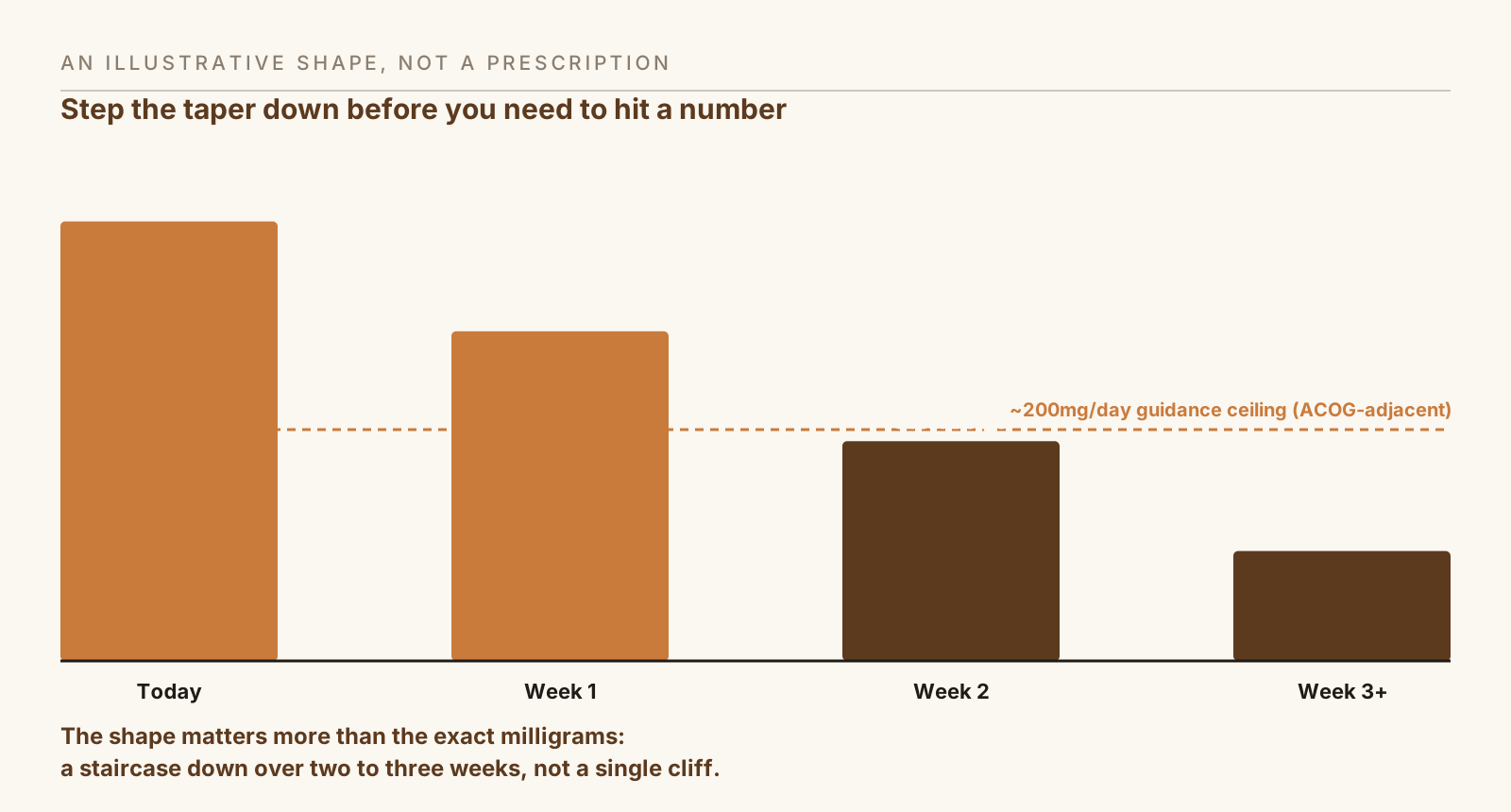
The shape that worked for the sources we checked, and matches the general withdrawal literature we’ve covered elsewhere on this site, is roughly: cut about a quarter of your usual intake every few days to a week, taking the cut from the latest cup of the day first rather than the earliest. If you’re starting from three or four cups a day, that puts you comfortably under 200mg by the two-to-three-week mark — the same window IVF clinics recommend starting a taper before a treatment cycle, for what’s likely the same reason: nobody wants a withdrawal headache stacked on top of everything else going on.
If you’re mid-cycle: does IVF change the timing?
If a fertility treatment cycle is already on the calendar, two IVF-focused clinic pages we checked directly gave more specific timing than the general guidance above. Both ivfdoctors.in and Dr. Meera B.’s clinic page recommend beginning a caffeine taper 2 to 3 weeks before a cycle starts, aiming for roughly 100–200mg/day by the time treatment begins. The stated reasoning is consistent across both: caffeine’s vasoconstriction may reduce uterine blood flow relevant to implantation, and it raises cortisol at a point in the process where hormone levels are already being carefully managed.
Worth being straight about the sourcing here: this is fertility-clinic patient guidance, not a formal ACOG or ASRM position written specifically for treatment cycles. Neither organization’s general fertility material that we could verify addresses IVF timing as its own question. Treat the 2-to-3-week window as sensible, clinic-level caution rather than a settled clinical consensus — but it does line up with the taper math above, so there’s no conflict to reconcile, just a slightly earlier start date if a cycle date is already set.
What to drink instead, once you’re ready
None of this requires giving up a warm mug in the morning, just what’s in it. A roasted herbal coffee — chicory, carob, or roasted grain — keeps the ritual of brewing and drinking something dark and warm without any caffeine to count against a daily limit. Teeccino’s French Roast (opens in a new tab), a blend of roasted chicory, carob, barley, dates and almonds, is one of the closer-to-coffee options we’ve tried among herbal roasts — though it’s worth knowing it contains barley and almonds, so it’s not a fit if you’re avoiding gluten or tree nuts. Teeccino’s Dandelion Dark Roast (opens in a new tab) is gluten-free and also fully caffeine-free, with a more root-forward flavor. Dandy Blend and plain ground chicory root are two other widely available zero-caffeine options worth trying if you want to compare — we’re not going to pretend one brand is the only answer here.
We’d steer clear of Teeccino’s mushroom-coffee line for this specific use, not because of any known problem, but because caffeine content varies across those products (some are caffeine-free, at least one isn’t) and there isn’t published safety research on the mushroom extracts themselves for this population — better to keep this particular swap simple and unambiguous.
If you do end up pregnant, is chicory coffee safe during pregnancy and can you drink mushroom coffee while pregnant are the natural next reads, and coffee alternatives for breastfeeding covers the stage after that. And if the taper itself is the part you’re dreading, caffeine half-life and the afternoon crash explains why moving your last cup earlier in the day does more for your sleep — and your headache risk — than most people expect.
None of this is medical advice, and if you’re working with a fertility specialist, their guidance for your specific situation should carry more weight than a general guide. What we can say with real sourcing behind it is narrower and more useful than “cut back on caffeine”: under 200mg a day is where the evidence is quietest, the taper down to it takes two to three weeks if you want to skip the headache, and a partner’s caffeine is worth a look too — with the soda aisle mattering more than the coffee pot.
Frequently asked questions
Answered in the front matter above and summarized here for anyone skimming: moderate caffeine (under 200mg/day) hasn’t been shown to make conception harder or raise miscarriage risk; the trying-to-conceive ceiling most guidance converges on is the same 200mg ACOG uses for pregnancy; male fertility research is thinner but points more at sugary energy drinks than coffee itself; IVF clinics recommend starting a taper 2–3 weeks before a cycle; and the way to avoid a withdrawal headache is a gradual cut over two to three weeks, not quitting the morning you decide to start trying.
Sources & further reading
- Caffeine | MotherToBaby Fact Sheets (opens in a new tab) — MotherToBaby / NCBI Bookshelf
- Optimizing Natural Fertility — patient fact sheet (opens in a new tab) — ASRM / ReproductiveFacts.org
- How Much Coffee Is Safe in Pregnancy? (opens in a new tab) — Fertility Centers of New England
- How caffeine affects male fertility — is coffee safe for sperm? (opens in a new tab) — Legacy
- Should I Quit Caffeine During My IVF Cycle? (opens in a new tab) — IVF Doctors India
- Caffeine and IVF: How Much Is Safe During Treatment? (opens in a new tab) — Dr. Meera B.
Reader conversation (5)
We read every response. Selected reader notes below.
Three months into trying and every app and forum just says “cut back on caffeine” with zero specifics, which somehow made me more anxious than if they’d said nothing at all. Having an actual number — and the honest “the middle zone is genuinely unresolved” instead of pretending it’s settled — is the first thing that’s actually calmed me down about my afternoon cup.
That was exactly the gap we kept running into researching this — “cut back” with no number is advice you can’t actually follow or stop worrying about. Glad the honest uncertainty landed as reassuring instead of unsettling; that was the goal.
Good on you for including the male fertility section. My wife has read a dozen of these articles and I’ve read approximately zero, mostly because none of them mention that I’m part of the equation too. Cutting the energy drinks starting today.
Started my taper the cold-turkey way in July for exactly this reason and had a four-day headache that made me genuinely miserable during what was already an emotional week. Wish I’d read the “cut a quarter every few days” version first. Saving this for round two.
That four-day version is such a common story and it’s completely avoidable — the withdrawal headache is really a taper-speed problem, not a caffeine-tolerance problem. Hope round two is a lot gentler on you.
Fertility counselor here. The framing of “precautionary, not proven” for the miscarriage evidence is exactly right and matches what I tell patients — the data doesn’t support panic over an occasional cup, but there’s also no reason to max out at 300mg when 200 costs you almost nothing. Sending this to a few patients this week.
Appreciate that you flagged Legacy as having a commercial interest rather than just quoting their numbers as neutral fact. Small thing but it’s the kind of detail that makes me trust the rest of the article more, not less.
Have something to add? Email us and we may include it in a future update.