What is fig coffee (Karlsbader / fig-seed coffee)? The caffeine-free roast Europe never gave up
Fig coffee — roasted figs and fig seeds brewed into a dark, naturally sweet, caffeine-free cup — is one of Central Europe's oldest coffee substitutes, tied to the Karlsbad spa tradition and the grain-coffee blends of the war years. Here's the honest guide: what fig coffee is, what it tastes like, why it's almost always a blend, and the one label catch (gluten) worth knowing before you buy.

Most of the caffeine-free drinks I write about come with a European grandmother somewhere in the story. Fig coffee comes with a whole spa town. Long before “coffee alternative” was a wellness category, roasted figs were being brewed into a dark, sweet, caffeine-free cup across Central Europe — in Bohemian health resorts, in wartime kitchens when real beans vanished, and in the grain-coffee blends that still sit on German and Italian supermarket shelves today. It never really left. It just stopped being famous.
Fig coffee is one of the more charming entries in the roasted-substitute family, and one of the sweetest-tasting. It’s also the one where reading the label matters most — because the fig is rarely alone in the bag, and what it’s blended with decides whether the cup is safe for everyone. Here’s the honest version: what fig coffee is, where it comes from, what it tastes like, and the one catch worth knowing before you buy.
What fig coffee is
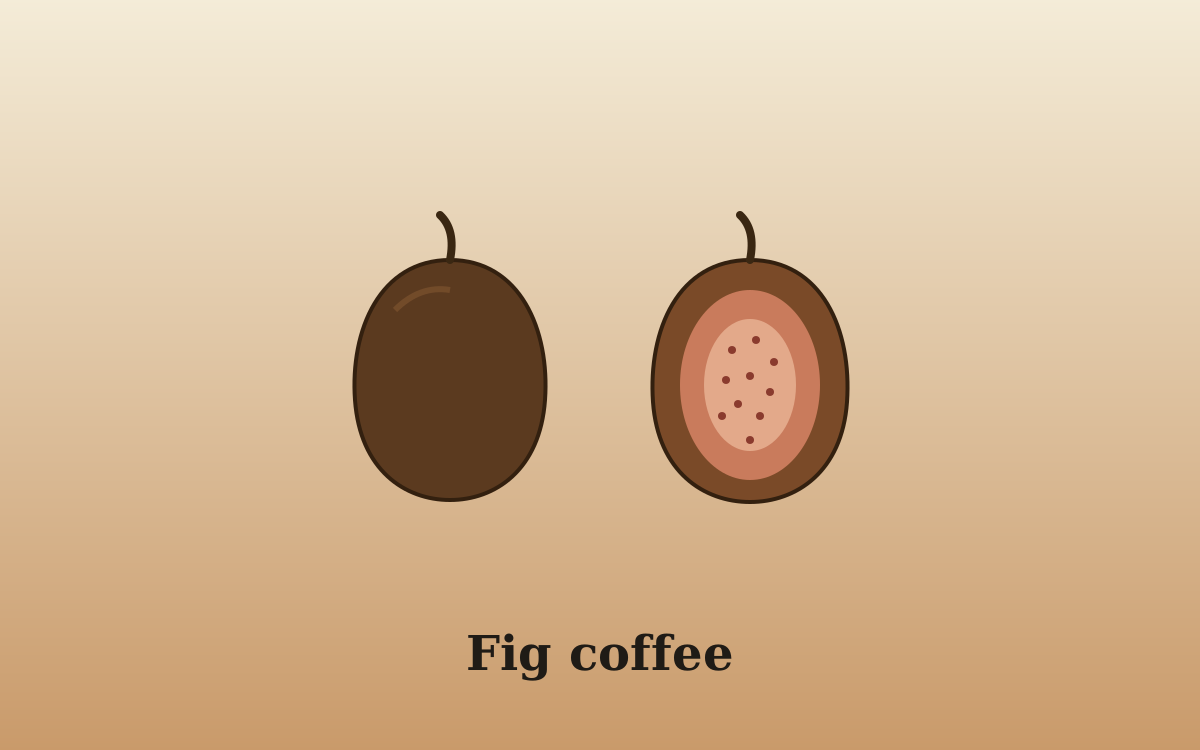
Fig coffee is a brewed drink made from roasted, ground figs — usually the whole dried fruit, sometimes with an emphasis on the seeds, which is why you’ll see it called fig-seed coffee. The figs are dried, roasted until dark, and ground, and the roast is what turns the fruit’s natural sugars into the deep, coffee-adjacent flavor you brew with hot water.
There’s no coffee bean in it and no caffeine — just roasted fig, on its own or (much more often) as part of a blend. That puts fig squarely in the same family as chicory, carob, roasted barley, and lupin: things you roast dark, grind, and brew so the toasted notes stand in for coffee’s. What makes fig distinctive within that group is that it starts as a genuinely sweet fruit, so the roasted result carries more caramel and dried-fruit character than a root or a plain grain ever could.
The German name — Feigenkaffee — translates literally to “fig coffee,” and it’s the term you’ll most often find on European products and in the historical record.
The Karlsbad and war-years backstory
Fig coffee’s history braids together two threads: health-resort culture and hard times.
The first thread runs through Karlsbad — the Bohemian spa town now called Karlovy Vary, in the Czech Republic — whose 19th-century health-resort scene popularized caffeine-free grain-and-fruit brews as part of a gentler, stimulant-free regimen. Karlsbader Kaffee became a loose label for that style of coffee substitute, and roasted fig was a recurring player in it. (As with a lot of these origin stories, exact dates and “who did it first” claims are fuzzier than the marketing suggests, so it’s fair to treat the Karlsbad connection as a well-documented tradition rather than a precise invention date.)
The second thread is scarcity. Coffee substitutes made from roasted grains, roots, and fruits became household staples across Europe whenever real coffee got expensive or impossible to get — most sharply during the World Wars, when grain and chicory coffees like the ones that gave us Postum and its European cousins kept the ritual of a hot dark morning cup alive without any beans. Roasted fig was one of the fruit components blended in to soften and sweeten those wartime mixes. When the beans came back, the blends didn’t fully disappear; they settled into a permanent, if quieter, place in European pantries — which is why you can still buy a fig-containing grain coffee in an Italian or German supermarket today.
What it actually tastes like
This is where fig earns its spot. Roasting concentrates the fruit’s sugars, so brewed fig coffee lands dark, malty, and distinctly sweet, with a caramel-and-dried-fruit note — think a whisper of date syrup or light molasses folded into a roasted cup. Bitterness is low, acidity is essentially nil, and the finish is round rather than sharp.
In the caffeine-free lineup, that puts fig at the sweeter, mellower end of the roasted, coffee-shaped tier — sweeter than chicory, softer than roasted barley (orzo), and in the same natural-sweetness neighborhood as carob, though more fruit-and-caramel than carob’s chocolate lean. It’s a long way from the soft, tea-like world of rooibos or honeybush. If you miss the warm, dark, sweet part of a morning cup more than the bite, fig is one of the most comforting things in this category. If you’re chasing espresso’s edge, it’ll read as too gentle.
Because it brings its own sweetness, fig coffee is also the rare substitute many people drink with nothing added — no sugar needed, and it takes to milk or oat milk beautifully.
Why it’s almost always a blend
Here’s the practical truth about shopping for fig coffee: you will rarely find it pure. Roasted fig is intense and sweet enough that it’s used the way a baker uses molasses — as the character note in a mix, not the whole recipe. The vast majority of “fig coffee” on shelves is a grain-coffee blend, with fig combined alongside roasted barley, chicory, rye, or malted grains. In the classic Central European style (the Caro/Pero/Nestlé-Caro family of products), fig is one of several roasted plants in the tin rather than a solo act.
That’s not a knock — the blends are genuinely good, and the fig is often what makes an otherwise plain grain coffee taste rounded and sweet. But it does mean two things for a careful shopper. First, if you specifically want the fig flavor front and center, look for products that name figs high in the ingredient list. And second — more important — the blend is exactly why you have to read the label for the one real catch.
The gluten catch worth knowing
The fig itself is a fruit, so it’s naturally gluten-free. But most fig coffee is a blend, and the most common blending partners — roasted barley and rye — contain gluten. That means the majority of fig-coffee and Karlsbader-style grain-coffee products on the shelf are not safe for people with celiac disease, even though “fig” sounds like it should be.
This is the same trap we flagged with barley coffee: the headline ingredient can be harmless while a blending grain quietly makes the whole product off-limits. If you’re avoiding gluten, don’t assume — read the ingredient list every time, and treat “fig coffee” as guilty until proven innocent. What you’re looking for is either:
- fig blended only with naturally gluten-free partners (chicory is the common one), or
- a product that carries an explicit gluten-free label or certification.
If neither is present and you need gluten-free, this isn’t your cup — reach instead for a naturally gluten-free roasted option like chicory, carob, or ramón seed, all of which give you the dark-roasted character without the grain. (For a broader safe-list, our grocery-store guide flags which shelf products are gluten-safe and which aren’t.)
Caffeine: none from the fig
The reason most readers land here: figs don’t produce caffeine, so fig coffee is caffeine-free by nature, not decaffeinated. There’s nothing to remove, and no residual trace — the same zero-not-trace logic that applies to chicory and carob. The common blending grains (barley, rye, chicory) don’t add caffeine either, so a fig-based grain coffee is reliably a zero-caffeine cup regardless of how it’s made or how strong you brew it.
That makes fig coffee a clean fit for anyone cutting stimulants, for slow caffeine metabolizers, and — on the caffeine question specifically — for pregnancy. As always, the caffeine box being checked is not the same as a blanket green light: if you’re pregnant or nursing, it’s worth a quick word with your provider about any new regular drink, and if the product is a blend, the gluten and added-ingredient questions still apply.
How to brew it
Fig coffee brews like the other roasted grinds, and it’s forgiving:
- Stovetop / saucepan: the traditional route. Simmer a rounded tablespoon of the grounds in a cup of water for a few minutes, then strain. This coaxes the most sweetness out and is how the classic European blends are often made.
- French press or drip: treat it like a medium-coarse coffee grind — a rounded tablespoon per cup, steep or drip, done.
- Instant / soluble: many of the grain-coffee blends that contain fig come as an instant powder that dissolves straight into hot water or milk. This is the everyday-convenient form.
A good starting ratio is about a tablespoon per cup, adjusted to taste. Because fig isn’t acidic and won’t turn harsh when over-extracted, you can brew it strong without the bitterness penalty coffee would hand you — and its built-in sweetness means it makes a genuinely good latte with steamed or frothed milk, no sugar required.
Where to find it
Fig coffee is easiest to find where its history lives:
- European grocery and import shops. The classic grain-coffee blends — the Caro/Pero/Nestlé-Caro family and similar German and Italian products — frequently list figs among their roasted ingredients. These are the most common way people encounter fig coffee, usually as an instant powder.
- Specialty and natural-foods retailers, which increasingly stock roasted-fruit and grain coffee substitutes online, sometimes with fig named on the front.
- Roasted herbal-coffee brands. If what draws you to fig is the naturally sweet, caffeine-free, roasted profile — but you need to steer clear of the barley-and-gluten issue — it’s worth looking at chicory- and carob-based herbal coffees, which deliver that dark-sweet cup without any grain. Teeccino (opens in a new tab), for example, builds its roasts on chicory, carob, and other roasted botanicals rather than barley, which is one reason it comes up when readers want a gluten-conscious version of this flavor. It’s one brand among several in that lane — the point is the ingredient base, not the label.
Prices are generally modest, especially for the instant grain-coffee blends, which are commodity-priced in their home markets. A pure or fig-forward product will cost more and take more hunting.
The bottom line
Fig coffee — Feigenkaffee, the roasted-fig cup at the heart of the Karlsbad tradition and the European grain-coffee blends — is a caffeine-free, naturally sweet, low-bitterness drink with real dried-fruit and caramel character, and it’s one of the most comforting members of the roasted-substitute family. It’s also the one you have to buy with your eyes open: it’s almost always a blend, and it’s very often blended with barley or rye, which means most fig coffees carry gluten. Check the label, and if you need gluten-free, choose a fig-and-chicory or certified product — or reach for a naturally grain-free roast instead. Get the label right, and fig coffee rewards you with the sweetest, gentlest dark cup in the whole caffeine-free category — the one Europe quietly kept brewing long after the beans came back.
Reader conversation (5)
We read every response. Selected reader notes below.
My Oma drank Caro her whole life and I never once thought about what was in it — figs were absolutely not on my bingo card. Now the sweetness makes total sense. It always tasted rounder than the plain barley stuff my neighbor made. Sending this to my sister who swears she “hates coffee substitutes”; she’s only ever had the harsh ones.
The fig is usually exactly what people are tasting when a grain coffee reads “smoother” without being able to say why. Your Oma had good instincts. If your sister wants to try the sweeter end on purpose, look for a blend that names figs high in the ingredient list.
Grew up on this — here it’s just part of the orzo/grain coffee world, nobody calls it exotic. One thing worth adding: simmered on the stovetop for five minutes it’s a completely different (better) drink than the instant. The instant is fine for speed but the sweetness really opens up when you actually cook it a bit.
Celiac, so this is the article I needed BEFORE I bought a tin of “fig coffee” last year assuming a fruit was safe. It was barley-based. Spent an afternoon regretting it. Genuinely grateful the gluten section is right there in the middle instead of a footnote — please keep doing that on every grain-blend piece.
Sorry you learned that one the hard way — it’s exactly the trap, because “fig” sounds like it clears you and the barley is doing the damage. The fig-and-chicory blends and the certified gluten-free products are the safe route, and chicory, carob, and ramón give you the same dark-sweet cup with no grain at all.
The “date syrup / light molasses” description is spot on — I tried a fig blend last winter and couldn’t place the flavor, that’s it exactly. I drink it black with nothing added, which I can’t do with chicory. Didn’t realize it was a whole spa-town tradition; that’s a fun rabbit hole.
Pregnant and hunting for caffeine-free options that don’t taste like sad hot water, so the sweetness angle is appealing. Good reminder to still check the blend though — I’ll ask my OB and read the label rather than assume. Would love a ranking someday of the sweetest caffeine-free cups specifically, fig vs carob vs ramón.
Have something to add? Email us and we may include it in a future update.